

You know what they say about something that seems too good to be true. It probably is. Microlearning has been a buzzword in e-learning, corporate training, and custom learning strategy for years. And for good reason. Organizations look to microlearning for a fast fix, that’s easy to produce, and saves money. Too good to be true? In some cases, yes.
In other cases, microlearning can deliver on goals like increased engagement, just-in-time training, targeted learning, and new skill reinforcement. The problem is there are a lot of false beliefs (or wishful thinking) about what microlearning actually is–and what it can do for learners and organizations. In short, microlearning myths abound.
Top Five Microlearning Myths:
- Microlearning = short training
- It’s a shortcut
- You can just chop up longer courses
- One size fits all
- Short means simple
Understanding the reality behind microlearning myths is essential to creating training that actually impacts performance. Done right, microlearning is more than a “short course.” It’s a strategic tool within a custom-designed learning approach that supports skill development, behavior change, and knowledge retention. Let’s explore the five common misbeliefs about microlearning and figure out design solutions for each.
Myth 1: Microlearning = Short Training
The belief: If it’s under five minutes, it’s microlearning.
The problem: Many organizations focus on duration rather than purpose. This approach leads to quick content that may entertain or share fast information, but utterly fails to deliver any meaningful learning outcomes. A two-minute video isn’t automatically microlearning if the learner can’t apply a skill or change a behavior.
Why it matters: Short content without clear objectives can frustrate learners. They may feel they’ve “watched something” but still can’t do their jobs better. Over time, this diminishes trust in your custom learning programs and wastes more time than it saves.
Design solution:
- Start with the problem, not the format. Ask smart questions like, “What do learners need to do on the job?” instead of “How long should this take?”
- Focus on one clear objective. Each microlesson should target a single skill, mindset, or behavior.
- Define success measures before designing. The duration should be the result of clarity and focus, not the goal itself.
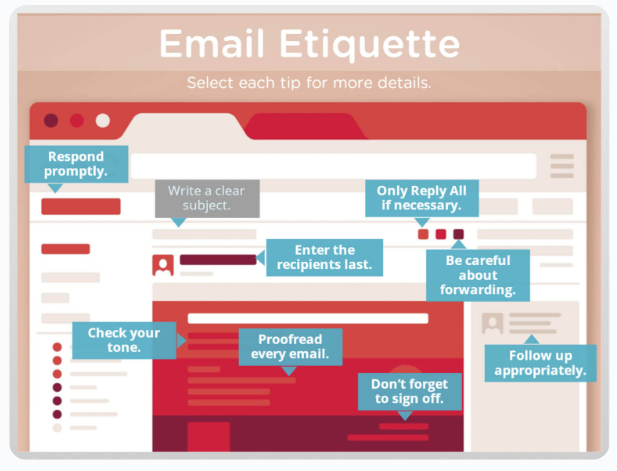
- Example: Instead of a 5-minute “all-in-one” onboarding video covering multiple topics, break it into microlearning lessons like a short explainer video on how to navigate a specific feature of the the CRM dashboard or an interactive job aid on communication best practices.
Myth 2: Microlearning Is a Shortcut
The belief: Microlearning can replace traditional training by providing faster, easier learning.
The problem: Organizations often see microlearning as a way to save training time. This leads to skipping foundational experiences, ignoring context and critical skill layering, and ultimately leaving learners with sometimes random surface-level knowledge and limited practical application.
Why it matters: Microlearning works best as part of a custom learning strategy, layered with other elements like longer-form e-learning, workshops, coaching, or hands-on practice. Treating it as a shortcut can undermine the entire learning ecosystem.
Design solution:
- Use microlearning to reinforce, not replace. It’s ideal for skill refreshers, on-the-job guidance, or just-in-time learning.
- Integrate microlearning with larger learning journeys. Combine it with e-learning modules, instructor-led sessions, or blended learning approaches.
- Provide context. Ensure learners understand why each microlearning experience matters and how it connects to the broader workflow or business goal.
- Example: A leadership program may include a two-hour workshop on feedback skills. A follow-up microlearning series could provide 2-3 minute reminders or practice on phrasing, handling difficult conversations, and addressing real-life scenarios.

Myth 3: You Can Just Chop Up Existing Courses
The belief: Dividing long e-learning courses into smaller segments automatically creates microlearning.
The problem: Simply resizing content creates disjointed experiences that lack focus and context, often retaining unnecessary information. Learners may not understand how each piece fits into the bigger picture, which reduces engagement, effectiveness and especially application.
Why it matters: Effective microlearning requires intentional, specialized design. Each lesson should stand alone while supporting the overall learning journey. Without this, microlearning risks being quick but meaningless or easily forgotten.
Design solution:
- Redesign, don’t just resize. Rework content around a single objective for each lesson. Microlearning comes in many formats; use different formats for different experiences.
- Ensure standalone value. Each microlearning piece should deliver actionable insights on its own.
- Maintain logical sequencing. Even short lessons should build understanding when viewed in order.
- Example: A product knowledge training program isn’t just “split” into mini lessons. Instead, create focused “how to” e-learning or quick video-based microlessons on things like demonstrating popular features, handling pricing questions, and troubleshooting common issues.
Myth 4: One Size Fits All
The belief: Microlearning is universally effective in every situation and for every learner.
The problem: Without aligning content to learners’ specific needs, even well-designed microlearning may be ignored. Timing, accessibility, relevance, and even format are critical for adoption.
Why it matters: Microlearning is most effective when learners can easily access and use it in the flow of work or when encountering real problems. Misalignment creates frustration and wastes time and resources.
Design solution:
- Design for moments that matter. Identify when learners will most need the knowledge or skill.
- Ensure accessibility and mobile-friendly design. Courses must be designed so anyone can take them, and they should work on the devices your learners have at the time and place they need the training.
- Provide searchability and context. Make it easy for learners to locate and apply lessons quickly.
- Example: Instead of emailing a generic safety video series to all employees, tailor lessons to specific roles like warehouse staff, field technicians, or office personnel. Make content easy to search by role, and ensure formatting is optimized for the specific types of devices each worker uses.

Myth 5: Short Means Simple
The belief: Because microlearning is brief, it’s easy (and fast) to design.
The problem: Microlearning can actually be more complex to create than longer courses! Short lessons require precision: zeroing in on just the right type and amount of information–with context and practice–is surprisingly challenging.
Why it matters: Oversimplification can sacrifice critical nuances and actionable outcomes, leaving learners lacking important skills. Worse yet, including the wrong information can lead to confusion and performance degradation. Poorly designed microlearning risks reinforcing misunderstandings and misses essential opportunities for skill development.
Design solution:
- Invest resources in strategy up front. Strong microlearning distills information without diluting meaning.
- Include relevant practice and application. Use real-life scenarios, simulations, or interactive exercises to reinforce learning.
- Test, iterate, and refine. Small lessons demand sharper instructional design, clearer objectives, and more deliberate sequencing.
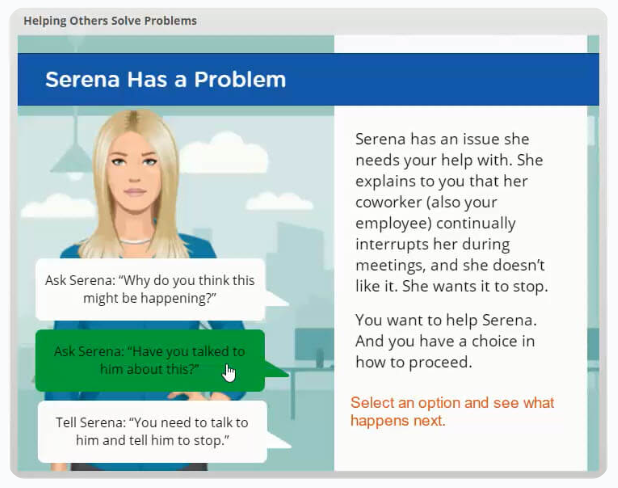
- Example: A short compliance module on data privacy isn’t just a checklist of rules. Include a micro-scenario where learners must make a decision about handling sensitive customer information correctly. Include feedback for their choices.
Why Microlearning Works When Done Right
Microlearning isn’t too good to be true. It can deliver all the things organizations and managers expect (and need) it to do. But it’s not a gimmick and it’s not easy. It’s a strategic component of custom learning that requires specialized instructional design. When implemented thoughtfully, it helps learners:
- Easily access learning in the moment of need.
- Immediately apply skills on the job.
- Quickly engage with content that’s focused on them and actionable in their work.
- Retain critical skills through repetition and practice.
Microlearning is a strategic component of custom learning that requires specialized instructional design. That’s no myth!
Pryor Learning Solutions needed multiple microlearning pieces in a variety of formats. You can learn how they approached it and check out examples of their microlessons HERE.
At Artisan Learning, we design microlearning as part of larger custom learning solutions or as standalone training experiences. We focus on outcomes, not just duration, ensuring that every lesson results in meaningful skill development and measurable performance impact.
Microlearning is not about being fast or flashy. It’s not just about saving time or money. It’s about delivering the right learning, at the right time, in the right way. When you design with strategy, relevance, and learner needs at the core, microlearning becomes an essential tool in your training toolkit.
Take the Next Step
Bust the microlearning myths! If your organization or group is exploring microlearning, consider partnering with custom learning experts. Ask the right questions, focus on learner outcomes, and design with intention. With Artisan as your partner, together we can create custom learning solutions that integrate microlearning thoughtfully–helping your learners do their jobs better.
Let’s talk about how our team can help you leverage real microlearning.
Author

Greg Duncan is Vice President of Operations and EOS Integrator at Artisan Learning. Greg is responsible for integrating the major functions of the business and enabling the organization to operate smoothly and successfully for clients, vendors, and staff. An instructional designer at heart, Greg’s career spans university teaching, consulting, municipal governance, small business ownership, executive leadership, and a propensity for philanthropic service.